How to Make Hakka Lei Cha
Rediscovering my roots through Hakka Lei Cha
For the longest time, I avoided Hakka Lei Cha (aka Lui Cha in Hakka) because I thought it was something you’d eat if you’d lost a bet, or if you were on a diet – it just looked too healthy and vegan to be enjoyable.
So despite being 100% Hakka, I’d never had Hakka Lei Cha until I had a go at making it myself a couple of weeks ago. In other words, when I finally tested it out, absent any past personal experience to compare it against, I could only rely on Paul’s memory for how it should taste.
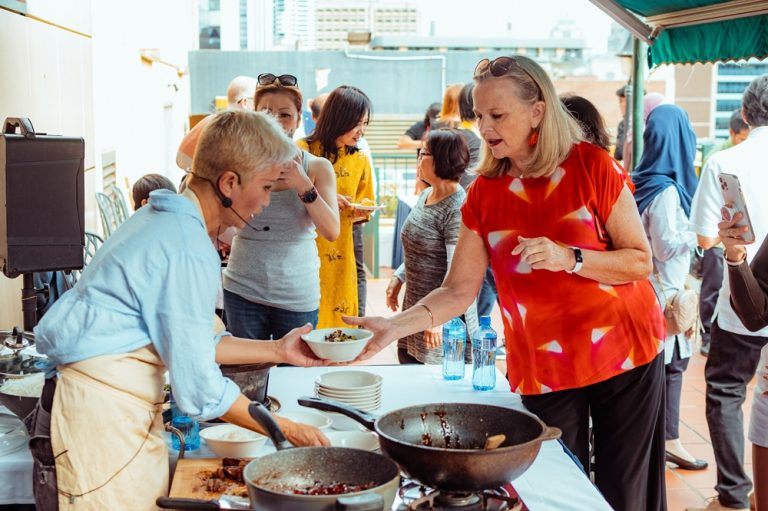
That’s because, unlike this Hakka moi, our South African Paul did in fact eat Hakka Lei Cha when we visited a Hakka settlement in Machap (Melaka) courtesy of Tourism Malaysia a few years back. As a matter of fact, he wasn’t just more game about eating it than me, he even had a go at making it during the Hakka Lei Cha workshop conducted by our hosts.
This video includes footage filmed during the Machap Hakka Village workshop –
By the way, Hakka Lei Cha is also known as Thunder Tea, BUT the common opinion that the term comes from the thunderous sound of the paste being pounded is wrong – the written Chinese character for “Lei/Lui” is the word “to grind”, not “thunder” (both words share the same pronunciation in the three Chinese dialects I know).
Also, during our Machap Hakka Village visit, our Hakka hosts demonstrated how the tea paste was made, and it involved rolling and grinding (not pounding) the wooden pestle against the ridged walls of the purpose-built bowl in a circular motion.
This means the correct process of making Lei Cha does not in fact produce thunderous sounds, contrary to the made-up claim of those trying to explain why it’s called “Thunder Tea”. Having said that, the Michelin Guide website says “Thunder Tea” is a fun & accepted nameplay for the dish, so who knows (definitely not this particular Hakka).
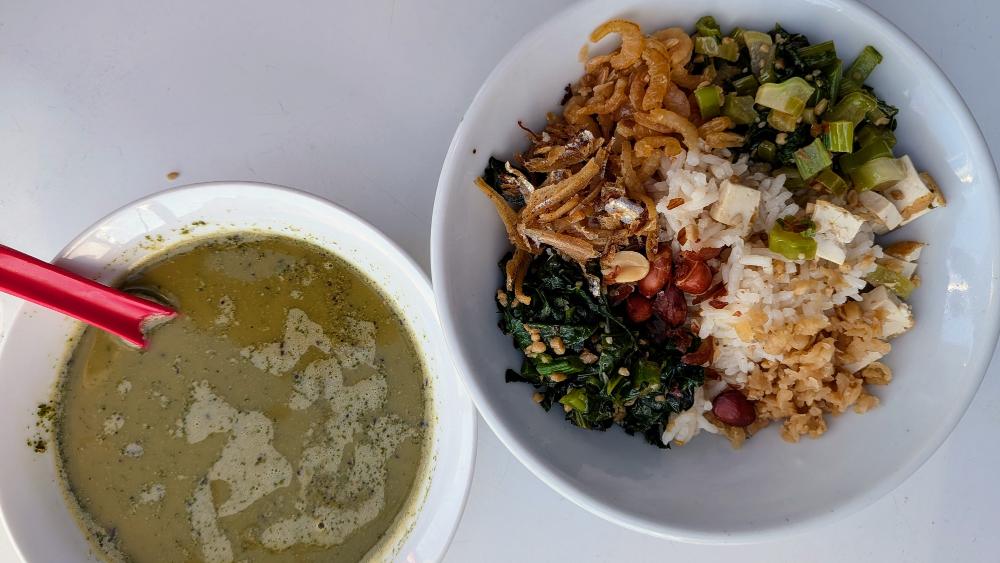
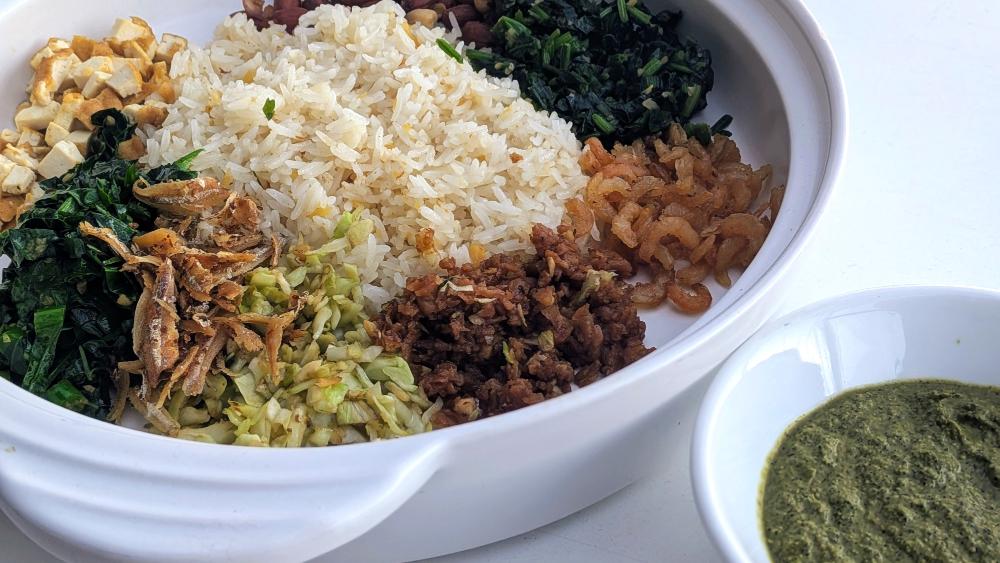
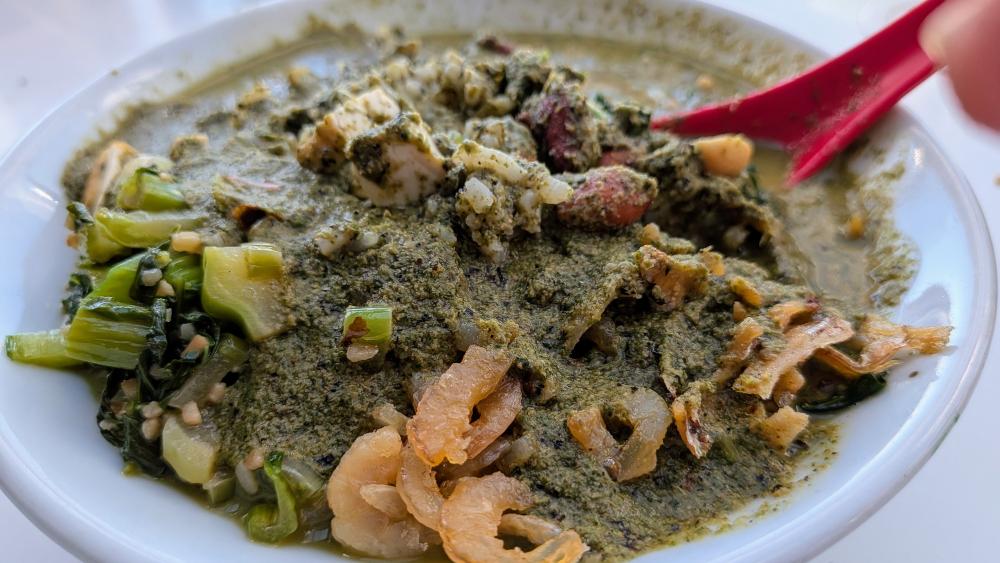
So what is Hakka Lei Cha anyway? It’s a rice bowl that comes with different toppings such as peanuts, salted radish, tofu, cooked shredded vegetables eg. snake beans and leafy greens, and it’s served with a bowl of green soup poured over it, which is made from ground Chinese tea, herbs, peanuts and sesame seeds.
While it’s true that it’s predominantly vegan, it can optionally come with non-veg toppings like dried shrimp and ikan bilis (fried dried anchovies).
In my research, I came to realise that no two recipes for Hakka Lei Cha are the same; this fact is widely acknowledged, with the explanation that the dish is one borne from necessity and pragmatism, in line with my Hakka ancestors’ nomadic upbringing in hostile environments – you basically adapt the ingredients to what’s available in your neck of the woods.
This is great news to diaspora Malaysians & Singaporeans whose biggest complaint when it comes to Malaysian cooking is usually that they can’t find the right ingredients in their part of the world.
I’m going to break down the recipe and its variations, and give my adaptation at the end (based on my own flavour preferences).
If you were to make everything from scratch, you could expect to spend a couple of hours in the kitchen (even with my ninja skills and help from my kitchen appliances), so this is how I approach it –
Hakka Lei Cha can essentially be split into three components –
- Tea Paste
- Toppings
- Rice & Vegetables
The tea paste and the toppings can be prepared in advance; this is what I do –
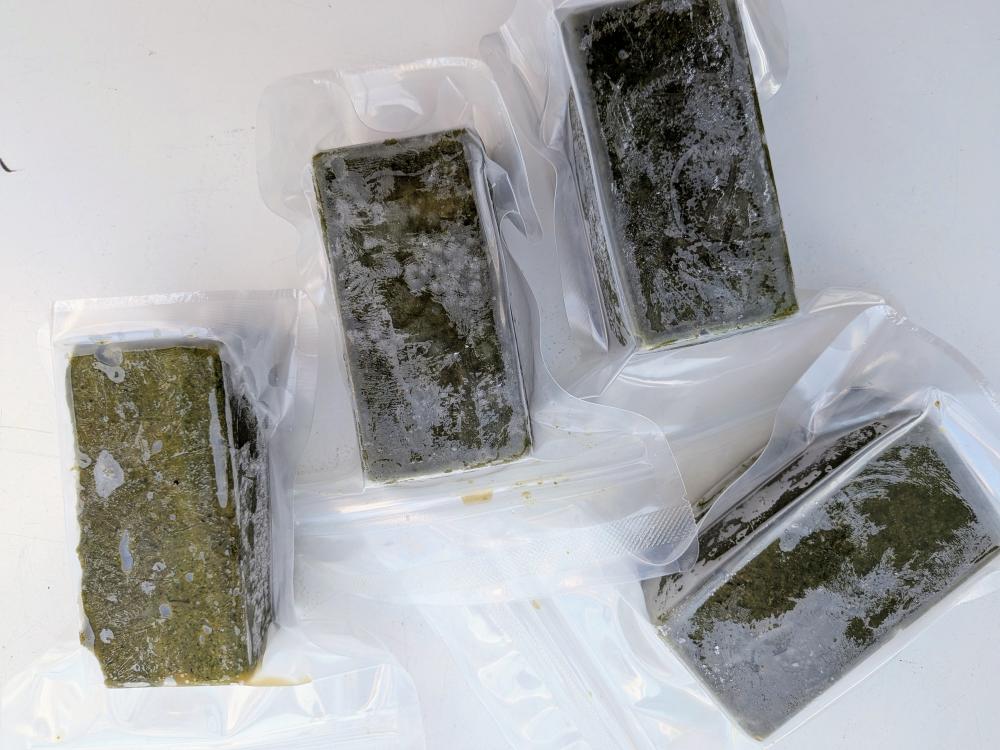
- Freeze the tea paste in silicone moulds, then keep the blocks in the freezer until I need to use them.
- Cook up the toppings with long shelf lives, and store them in my pantry.
- Cook the rice and vegetables either just before serving, or keep them in the fridge – they’ll last a few days.
Doing it this way will cut down your Hakka Lei Cha prep time on the day to 20 minutes, give or take.
When I first shared about my Hakka Lei Cha experiments, one of my fellow overseas Malaysian friends, Ivan Choy, mentioned that he treats Part 3 – ie. the rice and veggies – as a weekly fridge clear-out exercise, which is a brilliant idea because I’ve always been loathe to buy too much leafy greens since they don’t keep long in the fridge, but now I can.
If You Can’t Find Everything
Lei Cha’s biggest hurdle for most home cooks is sourcing the herbs. Here’s a breakdown of what’s essential, what’s optional, and what you can swap.
Tea paste herbs
The base herbs are Asian basil, Asian mint and coriander. One of my Malaysian Hawker Pro students in England used Western basil and Western mint as substitutes during our Zoom workshop, though I would suggest to add a touch of fresh ginger and some black peppercorns next time, to give it a bit more punch.
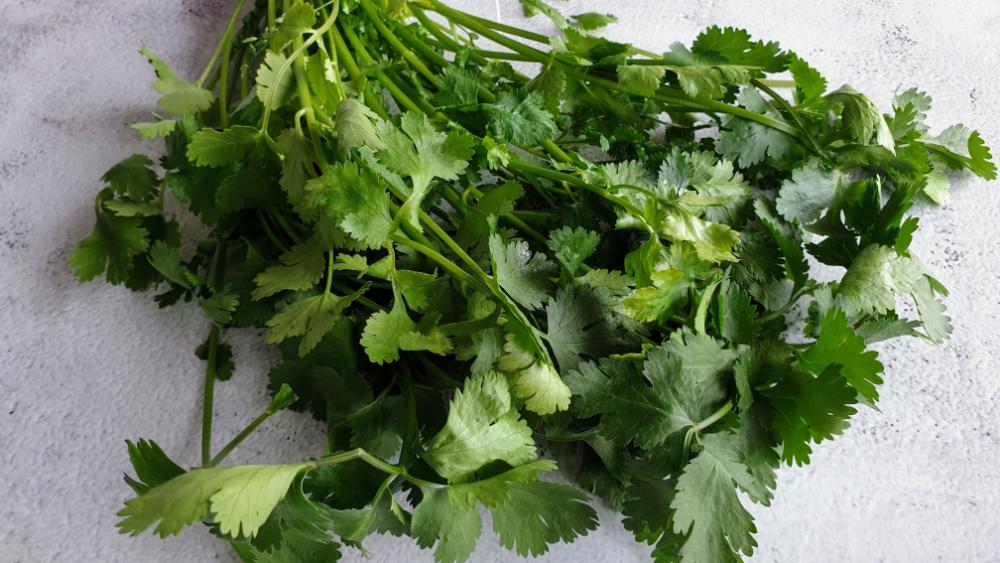
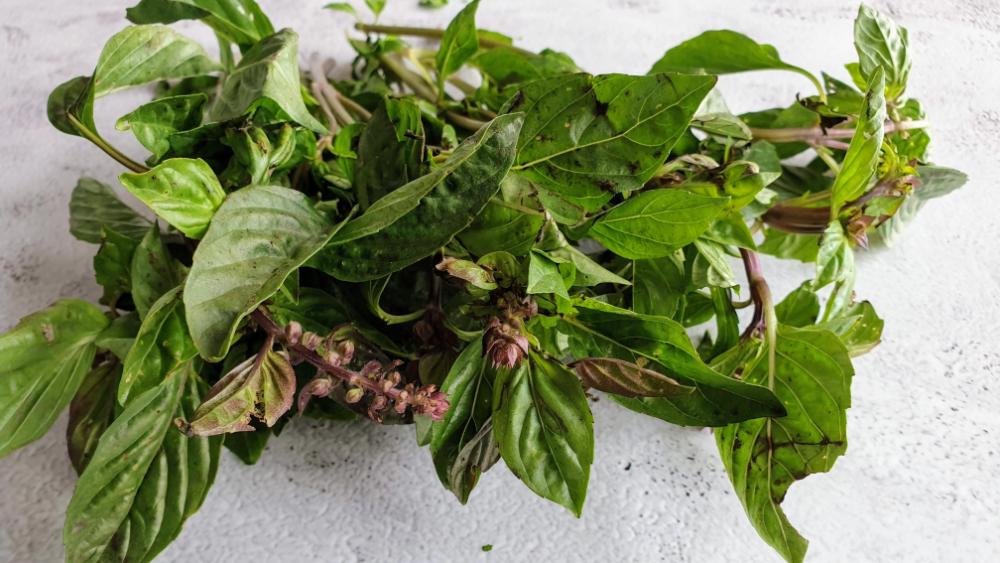
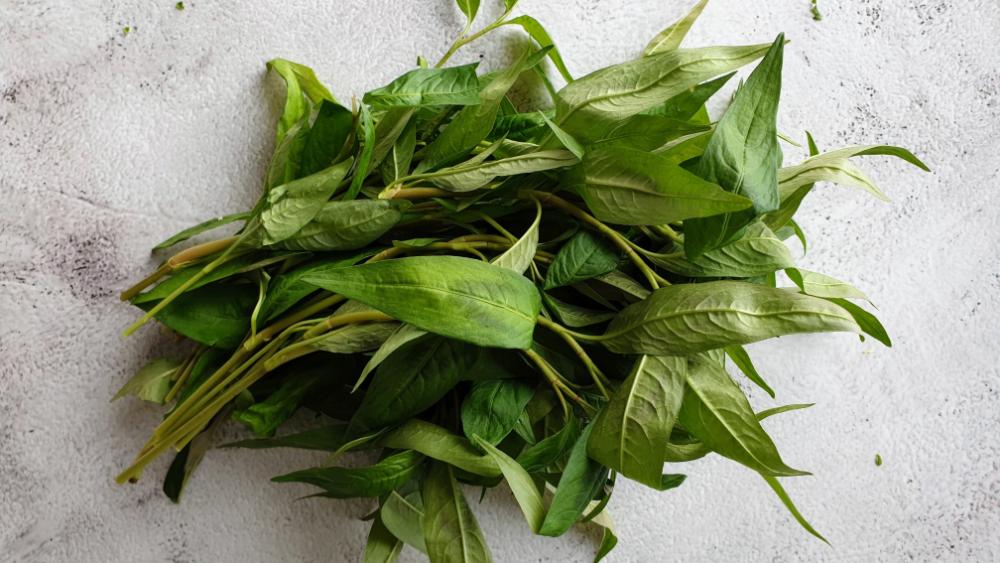
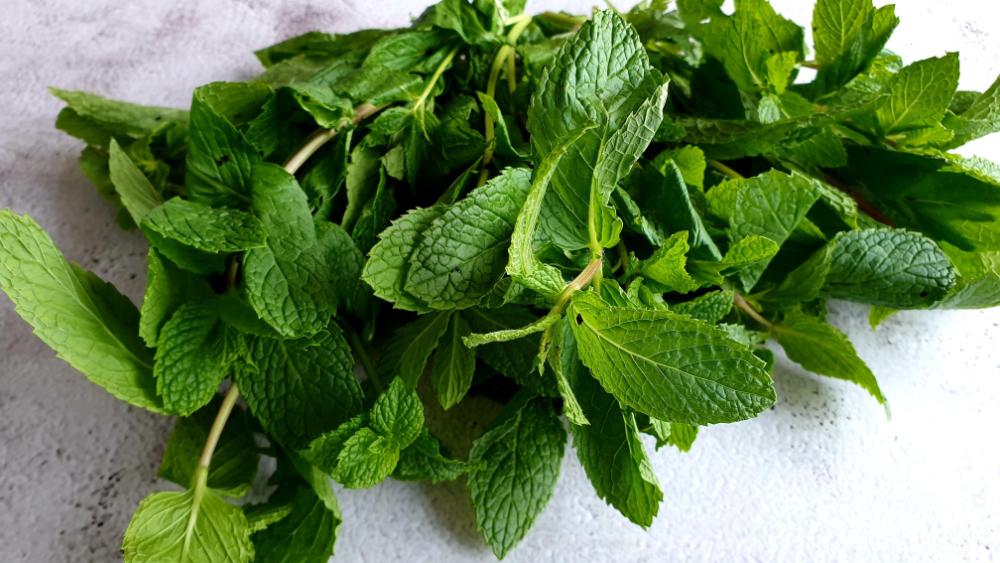
My recipe includes Vietnamese mint (daun kesum, also called laksa leaves or polygonum) because I had a lot left over from an event that was begging to be used up, and doing so accidentally helped enhance the flavour, at least according to Paul.
Sawtooth coriander was used in the version made at the Machap Hakka Village – I didn’t realise that until I went back through our photo archives. I’ll add it in my next batch since this is another ingredient that’s readily available in Cabramatta (we have so much to thank Vietnamese immigrants for all these herbs, really).
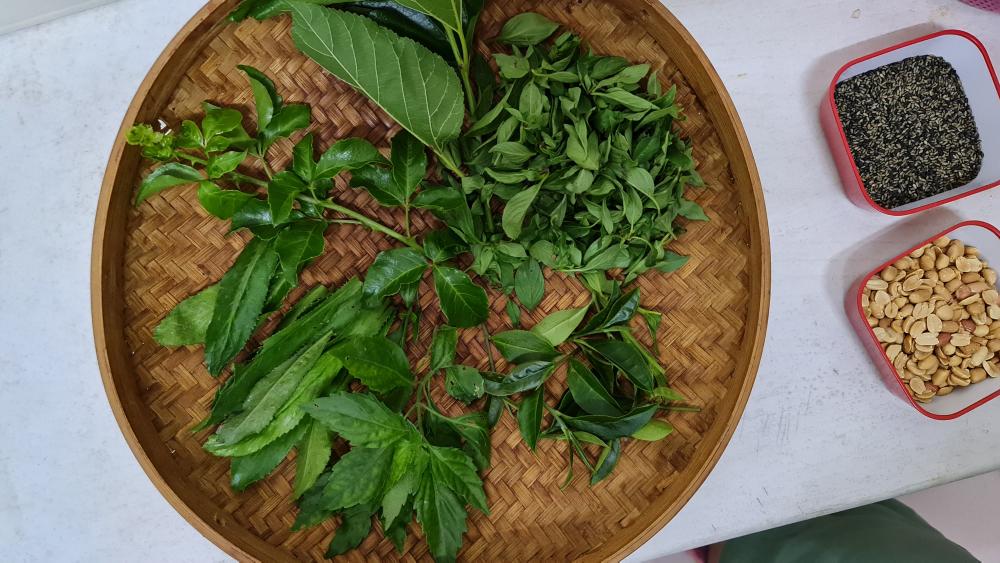
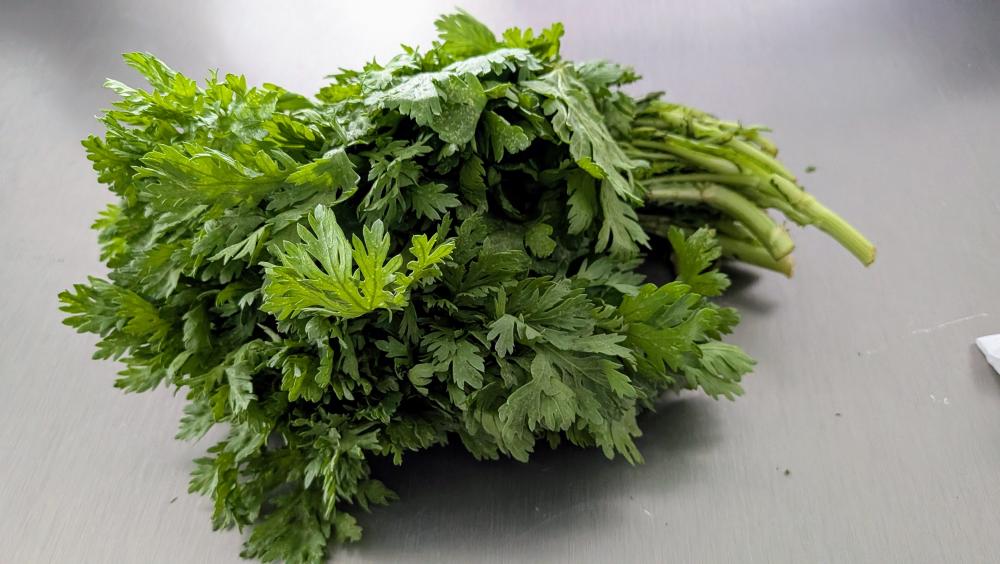
Mugwort is also widely available at Asian grocery stores in Sydney (I can even get it at my local Tong Li) but otherwise, substitute with rocket, or leave it out altogether.
Nuts and seeds
Roasted peanuts are standard for the paste, but I’m sure some other types of nuts would work. I’m thinking out loud but peanut butter might be a good substitute if you’re big on shortcuts (like me).
Roasted sesame seeds (white or black) are the other base ingredient in the paste. I’m guessing tahini or Chinese sesame paste could be viable replacements, though again, I haven’t tried it myself.
Toppings
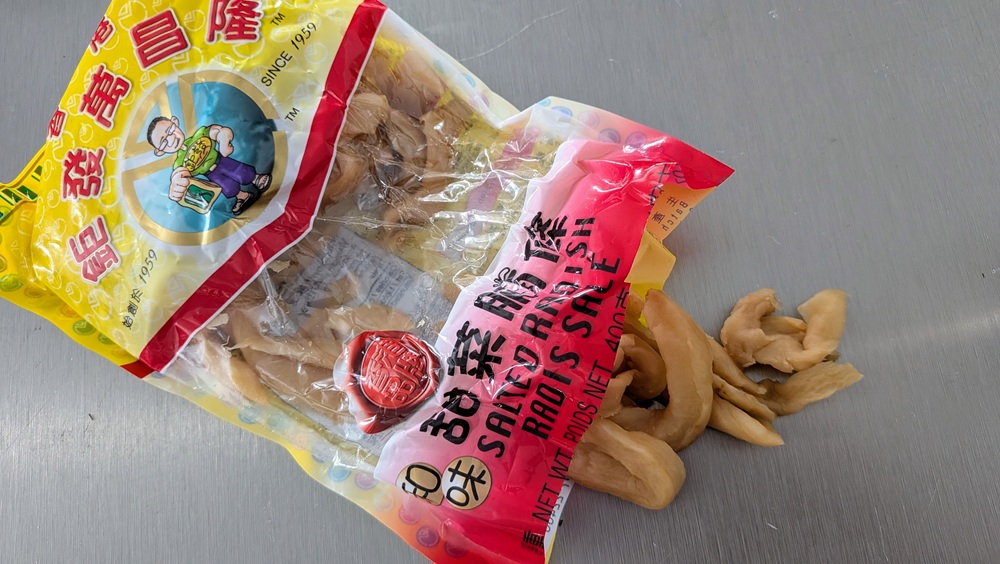
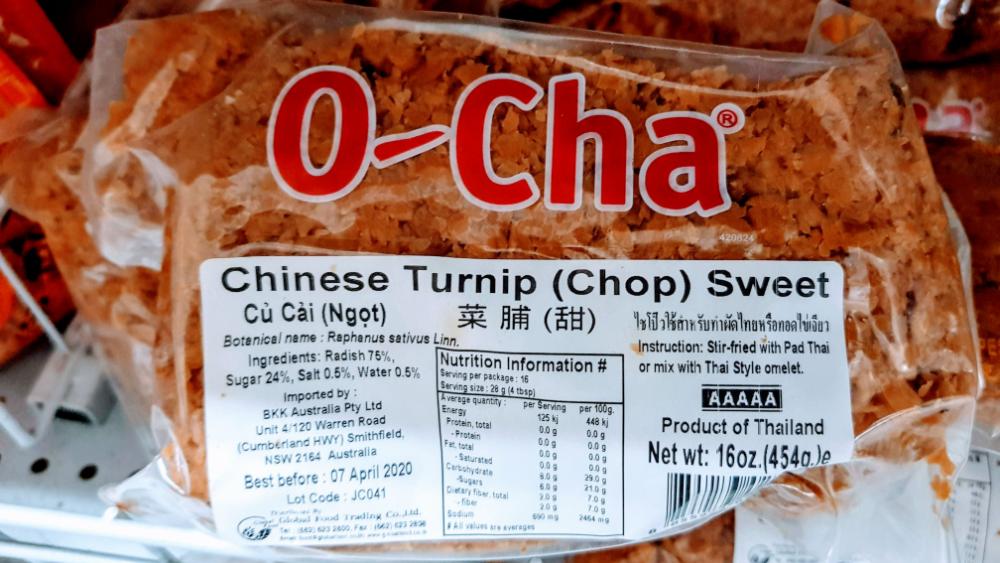
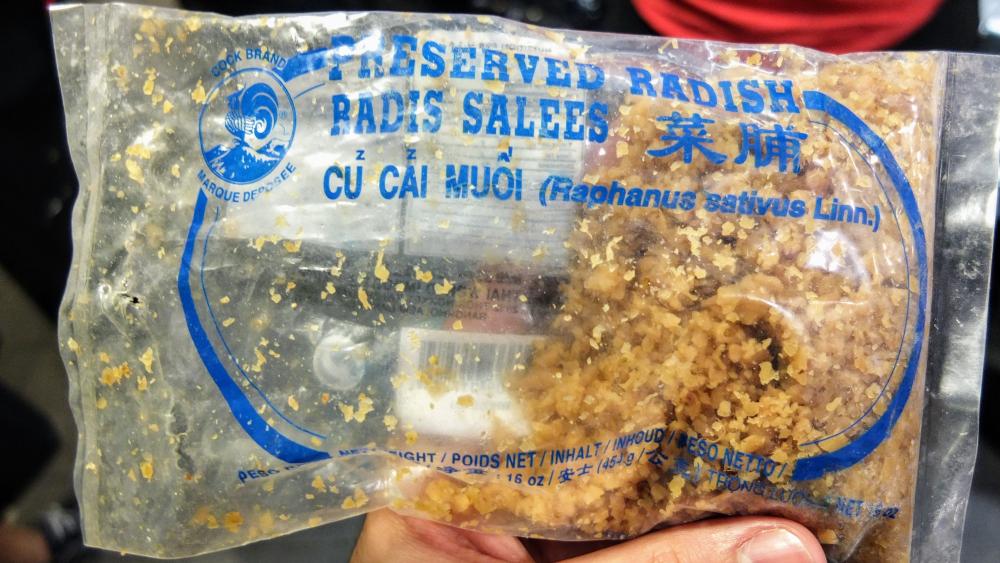
The essential toppings are roasted peanuts (skin off) and preserved radish (chai poh, sometimes called salted turnip). For decades, I’ve been using Thai minced preserved radish in lieu of finger-sized salted radish for my business (specifically for my Chai Tow Kueh), but whatever you can find should work – just make sure you check how salty it is and rinse it as much as is necessary to temper the saltiness.
Various types of salted radish pictured below; they will all work but you may have to mince them if they come in big chunks –
Beyond that, you can add any combination of:
Dried anchovies (ikan bilis), dried shrimp, salted fish, crispy fried onions (I add that just because I almost always have some sitting around), crispy fried garlic.
Rice and vegetables
Jasmine rice is the usual base, though at the Hakka Village we visited, they actually served it with puffed rice out of a packet. Most other recipes I’ve seen use either uncooked rice stir-fried with oil and garlic, then transferred into a rice cooker to cook, OR they simply use freshly-cooked white rice. I had some leftover cold rice to use up the first time I made this, so I turned it into a garlic fried rice.
For the leafy greens, almost anything goes, including cabbage; I’ve even used English spinach.
Hard tofu is in the base recipe but can be left out entirely or substituted with tofu puffs.
Seasoning
For all three components, you have the flexibility of using just salt, or if you’re not a hardcore health purist, you can add or replace with some of the following – MSG, chicken powder, mushroom seasoning, oyster sauce, and soya sauce.
Likewise with garlic and sauteing with oil; this is optional but I mean, who doesn’t like garlic? If omitting, you can just poach all the ingredients.
Now that I’ve gotten my longest preamble ever out of the way, this is roughly how I make Hakka Lei Cha – all the amounts are estimates; adjust as you see fit.
Jackie M’s Hakka Lei Cha
(adapted from various sources, including The Hakka Cookbook)
Part 1 – Hakka Tea Paste
2-3 TBSP dried Chinese tea leaves
50g Thai Basil, roots removed, stems intact, roughly chopped
50g Asian Mint, roots removed, roughly chopped
50g Vietnamese Coriander (aka daun kesum aka polygonum), roots removed, stems intact, roughly chopped
50g Coriander, roots removed, stems intact, roughly chopped
200g Mugwort, cut into 4-inch lengths
⅔ cup peanuts, roasted
2-3 TBSP sesame seeds (black, white, or a mixture), roasted
Enough water to turn it into a smoothie-like consistency (2-3 cups?)
1 TBSP minced garlic
1 TBSP oil
½ tsp pepper
1 TBSP salt +1 tsp MSG (optional)
OR 1 ½ TBSP chicken powder
OR 2 TBSP mushroom seasoning
METHOD:
- Heat oil in a large wok. Add minced garlic and saute until lightly aromatic.
- Add all the herbs and mugwort; mix well.
- Add water and cover wok until vegetables are wilted – about 30 seconds.
- Transfer into a powerful blender (ThermoCook or Thermomix).
- Add tea leaves, peanuts, sesame seeds, pepper, and seasoning.
- Blend into a smooth paste – approximately 2 minutes on high speed if using a ThermoCook.
Part 2 – Toppings
200g ikan bilis (dried anchovies), rinsed and drained
100g dried shrimp, soaked in hot water for 10 minutes, drained
100g salted radish, rinsed & chopped (substitute – sweet Thai minced preserved radish)
⅓ cup oil
½ cup crispy onions (recipe here – https://jackiem.com.au/2016/12/16/how-to-make-crispy-fried-onions/)
½ cup crispy garlic
METHOD:
- Heat oil in pan; add dried anchovies and fry until crispy. Remove with a slotted spoon and place on paper towels.
- Reheat the oil and add dried shrimp; fry for about 30 seconds; remove and place on paper towels.
- Add salted radish into the pan and fry briefly – about 30 seconds; remove and place on paper towels.
- Once cooled, transfer ingredients into jars and store until use.
Part 3 – Rice & Vegetables
2 cups leftover rice
100g hard tofu, finely diced
100g snake beans, thinly sliced (I use the slicing function on my food processor)
400g vegetables eg. cabbage and/or different Asian leafy greens, all thinly sliced (I use a food processor)
3 TBSP minced garlic
3 TBSP oil
Seasoning (any, or any combination of, the following):
Salt, pepper, MSG, chicken powder, mushroom seasoning
METHOD:
- Heat 1 TBSP oil in a wok; add 1 TBSP garlic and saute until aromatic.
- Add rice and stir-fry, sprinkling with a light amount of seasoning (optional). Remove and set aside.
- Heat ½ TBSP oil and add 1 tsp garlic and saute until aromatic. Add tofu and fry until heated through. Season lightly; remove and set aside.
- Heat ½ TBSP oil and add 1 tsp garlic and saute until aromatic. Add snake beans and fry until just done. Season lightly; remove and set aside.
- Heat 1 TBSP oil and add 1 TBSP garlic; saute until aromatic. Add vegetables and fry until just done. Season lightly; remove and set aside.
- To serve, add about 1 cup of boiling water to ½ cup tea paste, mix well. By the way, the amount of water is up to you; I prefer my Lei Cha soup rich and creamy but it’s more common for it to be of a thinner consistency.
Place rice in bowl, top with vegetables; pour tea soup over it.
Add other toppings and serve.
Quick message to wrap things up –
- if you want to learn how to cook Malaysian food properly, you know you need more than recipes; you need mentorship from someone who’s been running a Malaysian food business outside Malaysia for over 30 years. Drop me a line if you want to find out more about my online MalaysianHawkerPro.com coaching programme, or my twice-weekly Zoom cook-alongs which I run for my Malaysian Cooking Club on Skool.
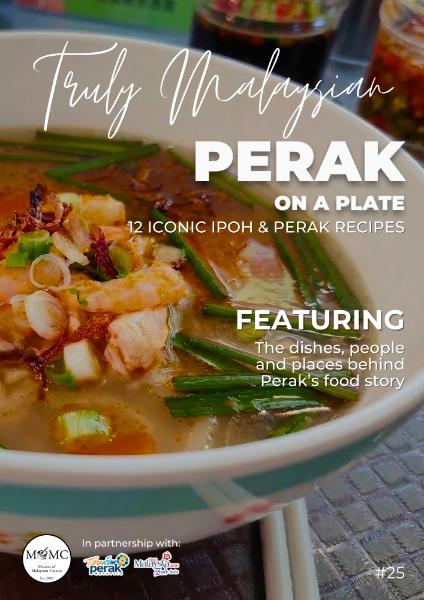
- Right below is the most recent issue of our Masters of Malaysian Cuisine (MOMC) digital magazine, which you can download completely free; it contains more recipes, a dining directory for Ipoh/Perak, and a number of articles. This issue comes with two different covers, though the content are the same –
Click to View or Download Truly Malaysian by MOMC, featuring Ipoh White Coffee Cover –
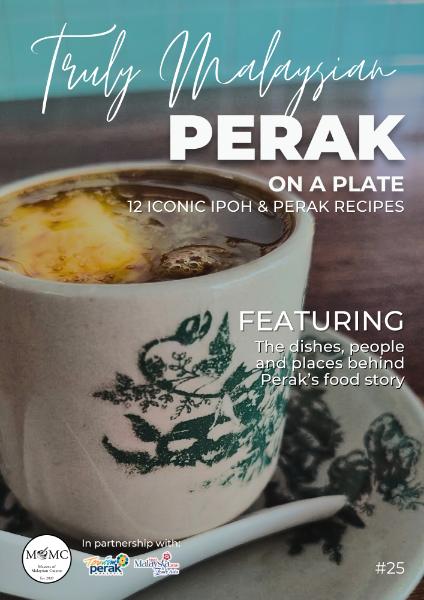
Click to View or Download Truly Malaysian by MOMC, featuring Ipoh Kai Si Hor Fun Cover –