Why I Turned My Restaurant Recipes Into Cooking Kits
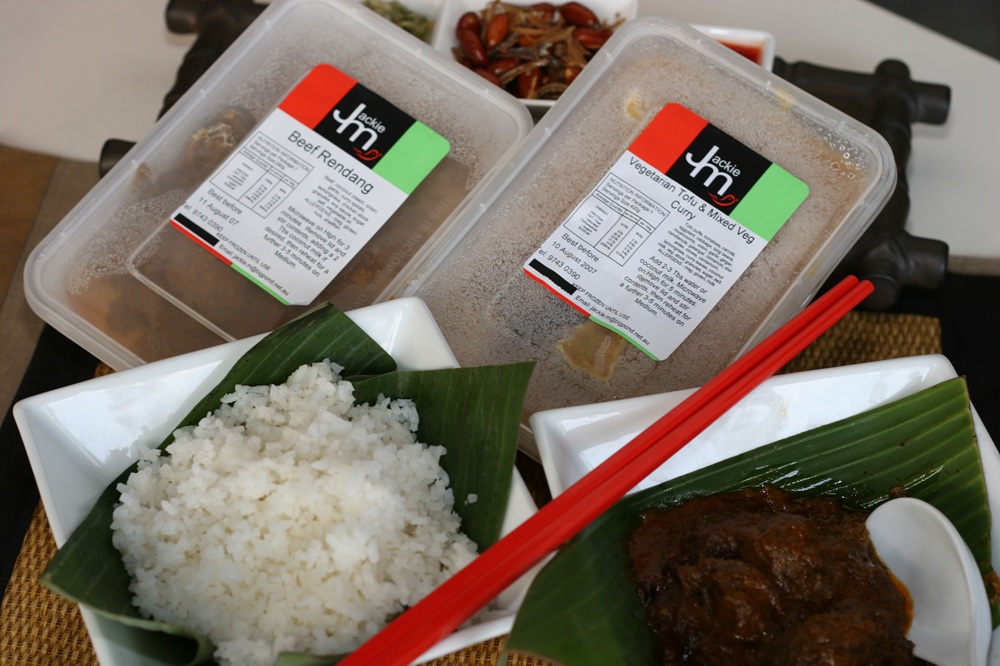
Depending on how long you’ve been following my cooking journey, you may remember that I used to produce a range of frozen meals that I sold at various markets in Sydney and at my restaurant.
This was what they looked like –
These packs were popular enough that when Costco opened up in Sydney, someone from their management dropped in at my restaurant and expressed interest in stocking my meals at their store. The catch was that I had to build my own factory with not just HACCP but also Costco certification; making them at my restaurant wasn’t going to cut it.
When I said no, I thought that would be the end of the matter, but then they came back and referred me to a couple of factories which did contract manufacturing for some of your household name celebrity chefs – chefs whose meals you might pick up in the ready-made meals section of your local Woolies etc.
I went and checked them out, and I remember one of the manufacturers was very keen, showing off a Neil Perry product made at their facility. I read the list of ingredients on the label and it consisted of – olive oil, salt and pepper.
Obviously not all dishes need much more than just a dash of olive oil, salt and pepper to taste spectacular. But my food is very ingredient-heavy and has stuff in it that is not in your typical Aussie pantry. No worries, said the factory, we will source it all for you.
So right after the meeting, I sent them my 20-ingredient Malaysian lamb curry recipe for them to test. And they ghosted me. Either they took my recipe and ran off with it before we signed a confidentiality agreement – or, more likely, they decided it’s too complicated and were just too embarrassed to admit failure.
So that was that. When I closed my restaurant I got rid of my frozen meal range altogether but I continued to ponder how to get my dishes into your home kitchen.
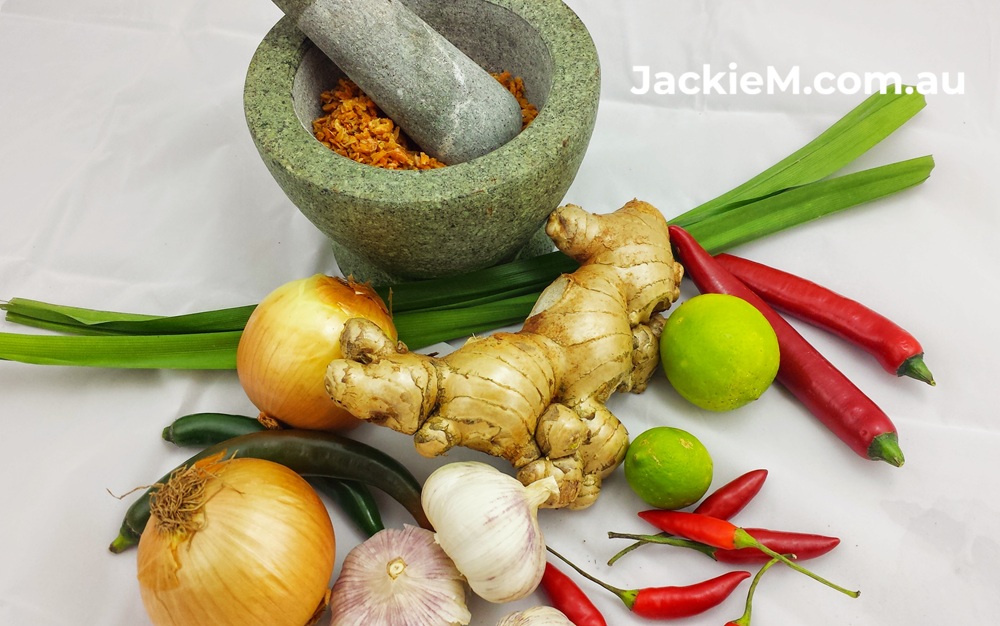
The fact is, I don’t actually think there’s anything particularly difficult about cooking most Malaysian dishes once you have all the ingredients. The difficulty is getting the right ingredients in the first place, knowing what to do with them, and then having to buy a jar or pack of this and that and a handful of something else that you might use once before it sits in the back of your pantry/fridge until it goes off (been there, done that).
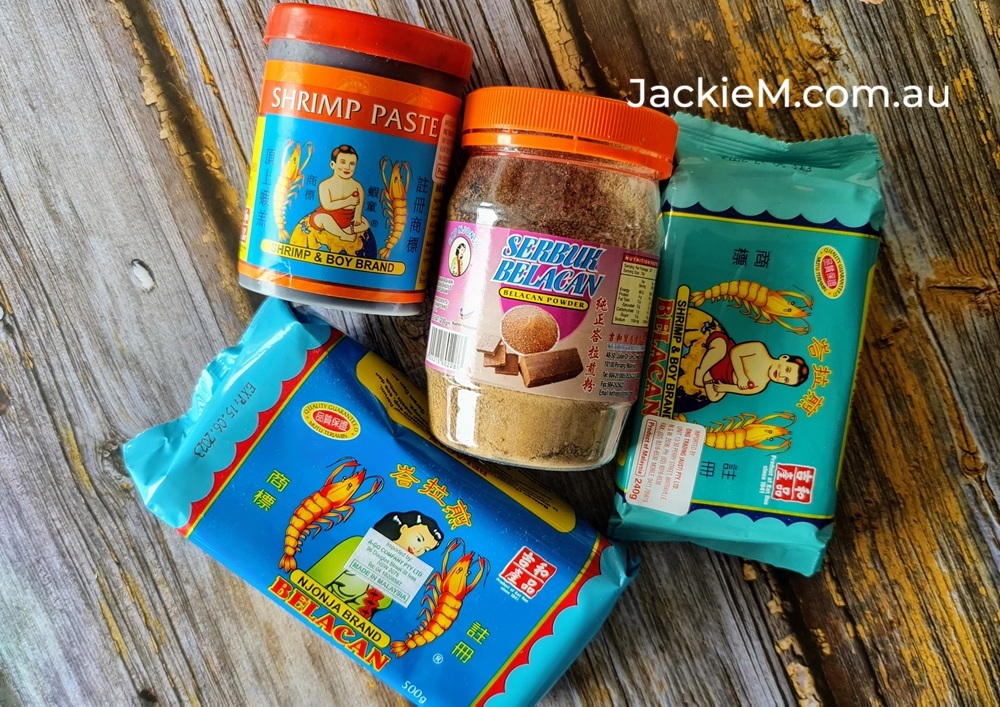
And of course, there’s a level of assumed knowledge in Malaysian recipes or cookbooks that require you to figure out the difference between shrimp paste (belacan) and prawn paste (petis udang/heiko) especially when one of the more well-known brands of the latter is often also sold as “shrimp paste”. Or palm sugar from Thailand vs palm sugar from Malaysia. Or confusing dark soya sauce with thick soya sauce/cooking caramel/kicap manis etc. etc.
And that’s where my Handcrafted by Jackie M. Dry Cooking Kits come in. I’m not cooking a meal for you – you still need to cook it (which means you can rightfully and proudly claim you cooked the dish yourself).
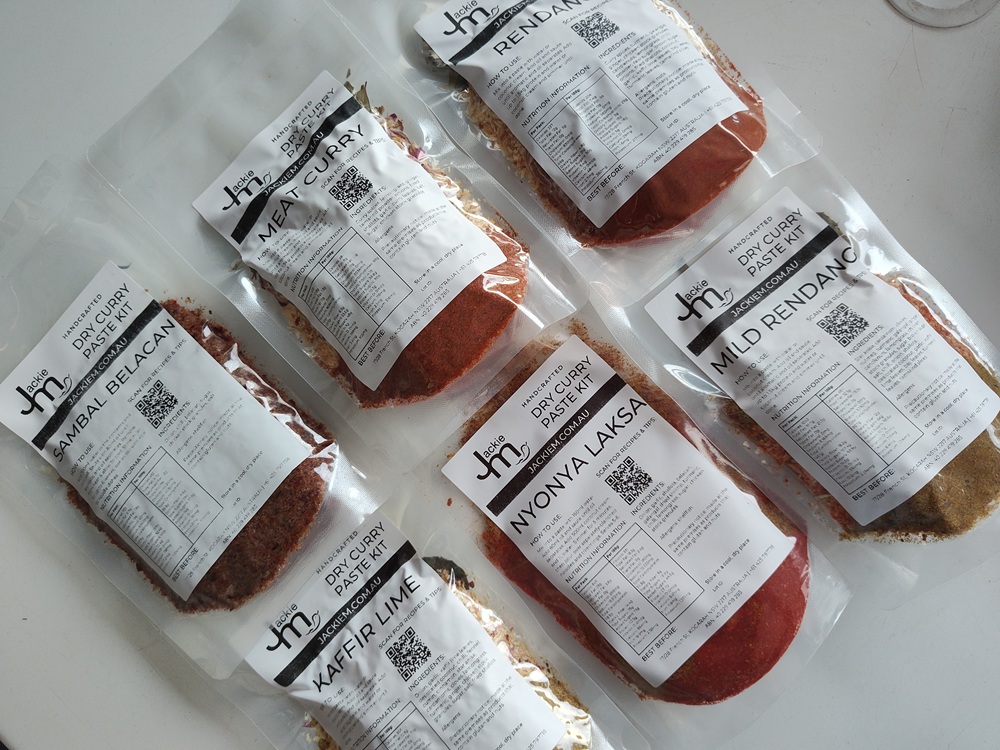
But I’ve done all the hard work in translating my original recipes into dry formats, so they contain everything you need to recreate my dishes – you just need to add the fresh ingredients – basically your choice of protein plus coconut cream/coconut milk (depending on the dish).
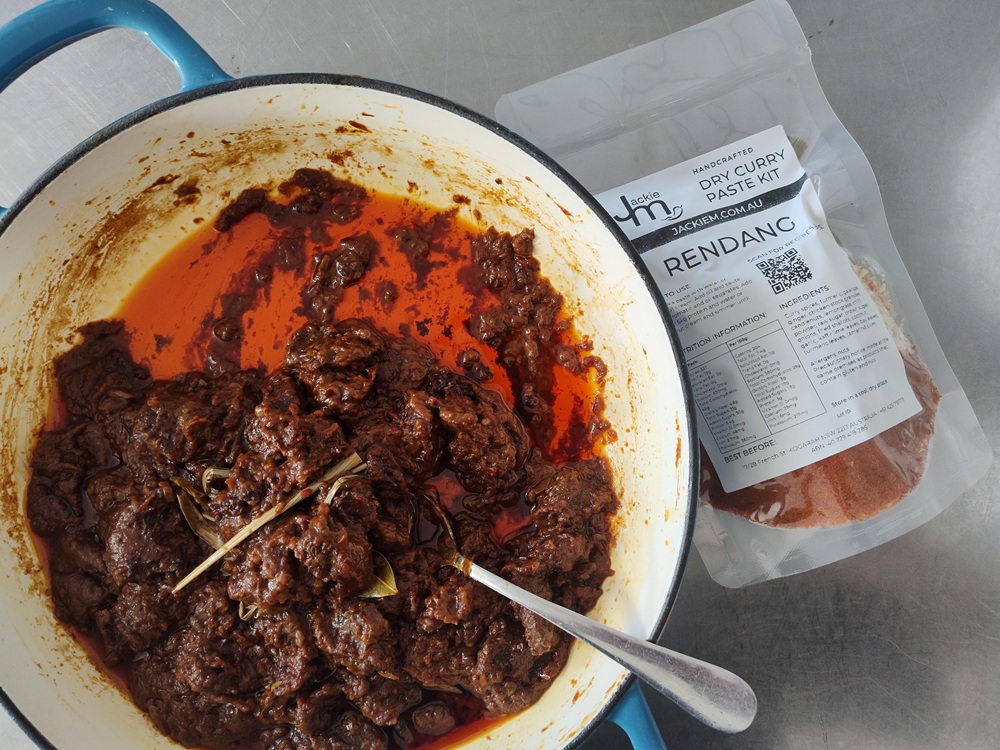
The kit takes care of the part that involves sourcing and measuring all those ingredients that make up the flavour. And depending on where you live, you may not even be able to find the ingredients in your neck of the woods, or you have to settle for a brand that we Malaysians roll our eyes at.
When I first launched this range in 2024, I called them Dry Curry Pastes (I’ve never claimed to be a branding genius). The fact is, though, these are not one-dish recipes – you can actually use the kits in ways other than what they were originally translated from. Eg. you could use the Laksa Nyonya kit for a vegetable curry or as fried rice seasoning, and the Sambal Belacan for chilli prawns, eggplant sambal, and much more.
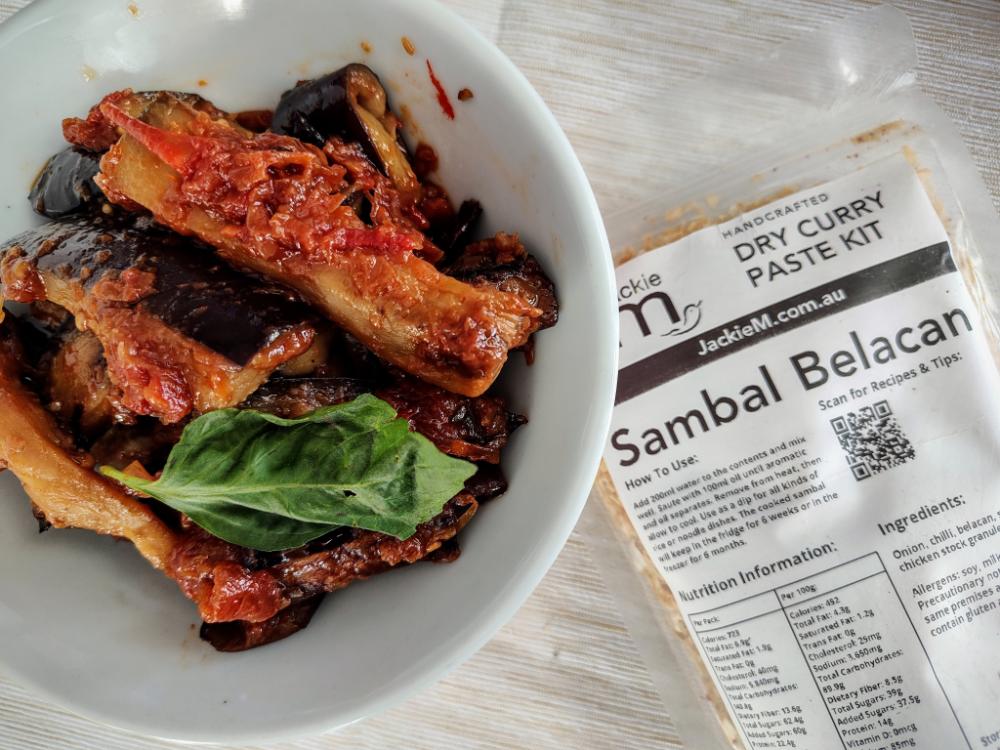
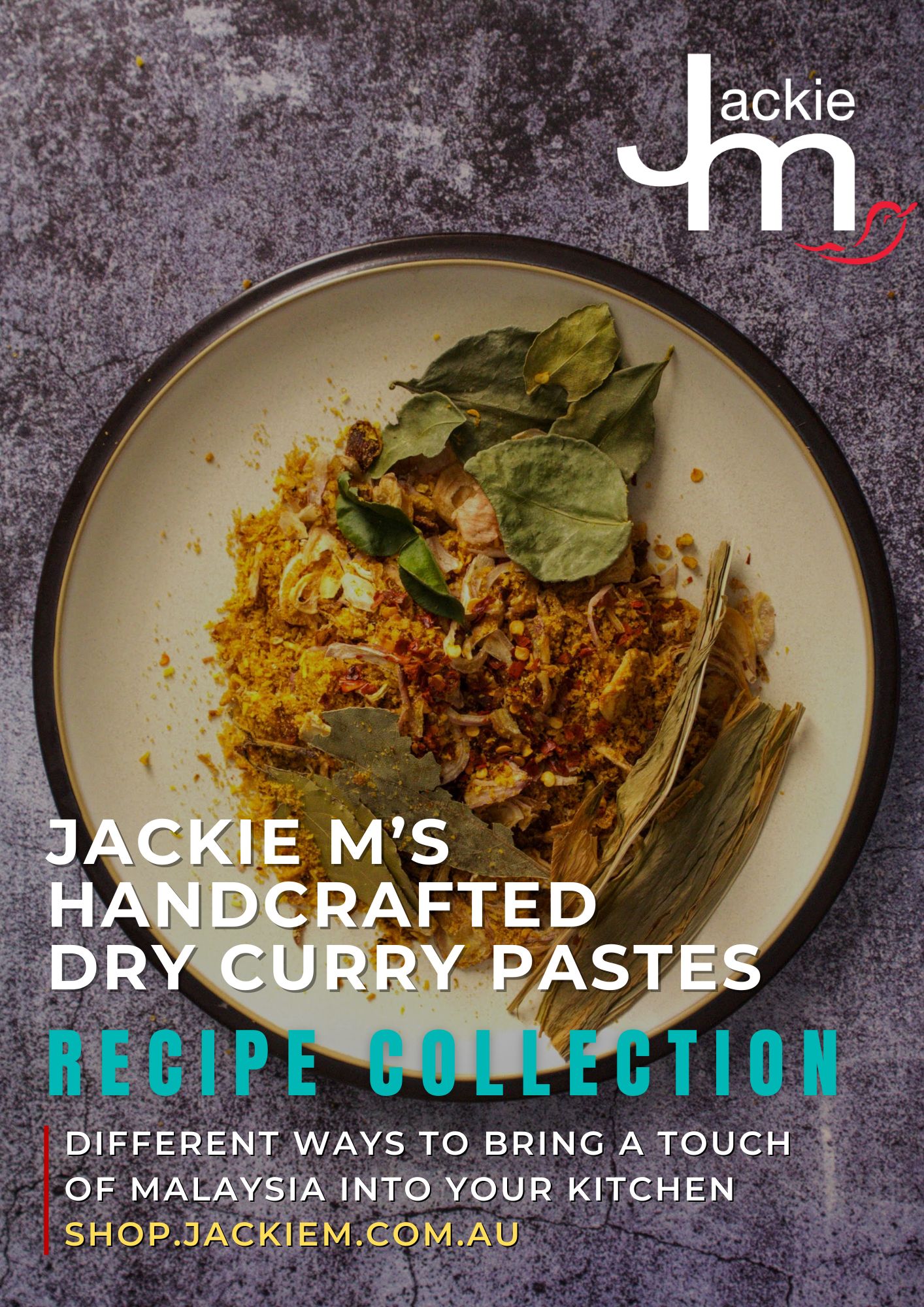
Here’s a collection of recipes and recipe ideas I’ve put together, to give you some inspiration for how to use these them (click on image to view or download the PDF) –
The other thing I’ve been thinking about is what happens after someone has bought one kit – if you like cooking with them, you probably don’t want to have to remember to order another one when you’ve run out.
If you’re going to cook Malaysian food regularly, I would propose that you keep a few of these kits sitting in your pantry – they have an inordinately long shelf life (I’ve tested some packs from when I started working on the range two years ago, and they’re still as fresh as the day I vacuum-sealed them).
Anyway, that’s the thinking behind the new Handcrafted Pantry Subscription.
Each month, I’ll send out two Family Pack-sized cooking kits, along with recipe cards showing different ways to use them, plus a small Malaysian pantry extra. The idea is to keep the pantry stocked while giving you a reason to use what’s already there in a different way.
You can subscribe to the Handcrafted Pantry Subscription here – https://shop.jackiem.com.au/products/monthly-pantry-subscription?utm_source=copyToPasteBoard&utm_medium=product-links&utm_content=web
To shop for the entire range, just visit Shop.JackieM.com.au
Finally, I get asked all the time exactly how much water/coconut cream/protein to use and how long to cook it for. It’s not an exact science because it all depends on what cut of meat you use, what you cook it in etc.
By way of an example, the end result of a beef rendang should be dry-ish, so you work backwards from there. Use enough water/coconut cream to simmer it down and if the meat is still tough, add more liquid and continue to simmer until done. If you prefer a more saucy beef rendang, go ahead and use more liquid – just don’t turn it into a soup and you’ll be right. If you accidentally add too much liquid and the meat is already very soft, just take out the meat and reduce the sauce, then add it back in.
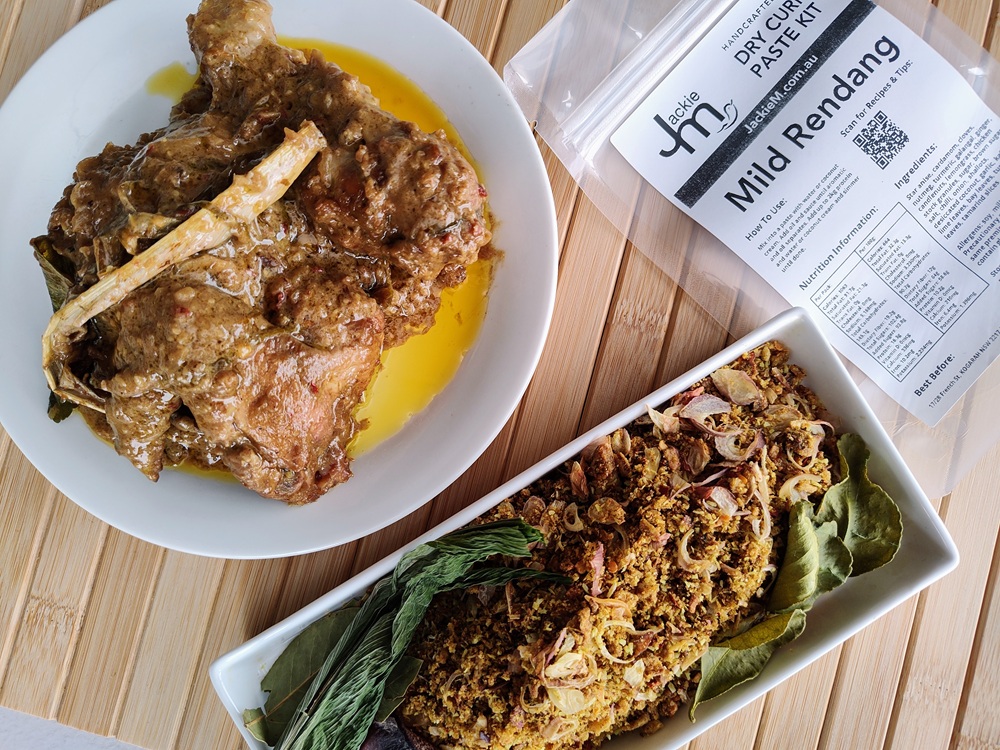
Most of my other curries are rich and creamy with some sauce – think of a goulash if you like. So work backwards from that. I plan to do more videos on how to use these kits so subscribe to my YouTube.com/@jackiem channel and turn on the notifications so you don’t miss my upcoming content.